The Safe and Sound Protocol sits at an unusual crossroads. It is marketed as a nervous system intervention grounded in Polyvagal Theory, yet it reaches people through something as ordinary as headphones and music. Parents notice their children sleeping more easily or tolerating haircuts after years of sensory battles. Adults describe a quieter body and fewer startle surges. Clinicians, especially those practicing integrative mental health therapy, see openings in treatment plans that felt stalled. The question that matters is not whether the stories are compelling. It is whether the science supports what we observe, and where the data still falls short.
I have used the Safe and Sound Protocol in clinical settings since the early commercial versions were available. Many of the early outcomes came from careful observation and conservative dosing with clients who had complex trauma. Over time, small studies and service evaluations began to trickle out. They rarely answer every question we want, but they do sketch a set of patterns that, combined with clinical judgment, help us decide when to use SSP, when to pause, and how to pair it with other trauma therapy modalities like somatic experiencing or EMDR.
What the Safe and Sound Protocol actually is
SSP is a listening intervention built from Stephen Porges’ Polyvagal Theory. The protocol uses filtered and modulated music to target the neural regulation of the middle ear muscles and the vagus nerve pathways linked to social engagement. In theory, by enhancing the nervous system’s ability to detect cues of safety in the human voice, SSP can improve autonomic regulation and reduce defense responses such as sustained startle, hypervigilance, or shutdown.
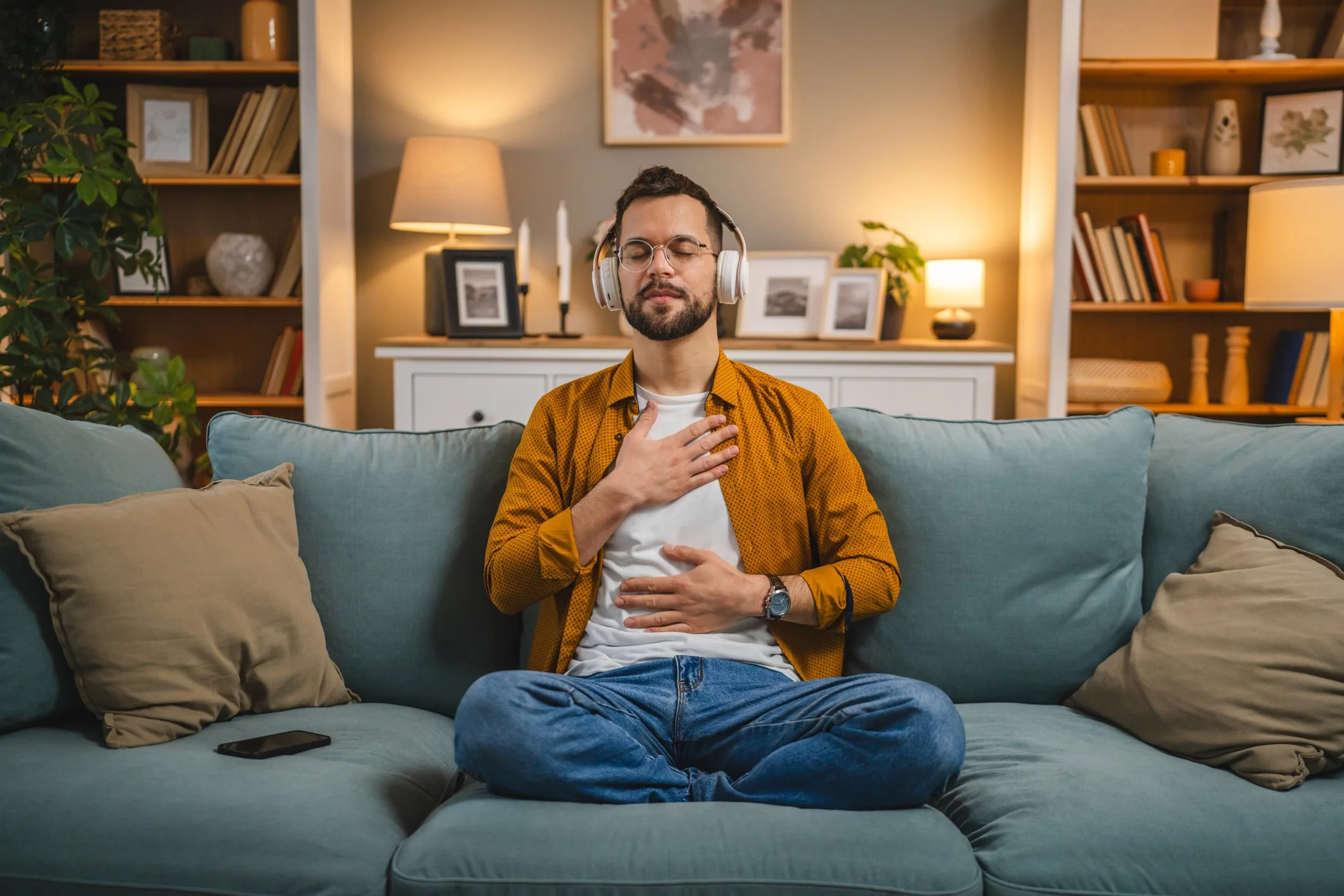
In practice, a clinician guides the client to listen to curated music tracks for a limited number of minutes per session across several days or weeks. The commercial program typically divides content into phases to titrate intensity. Many practitioners combine SSP with grounding exercises and what some refer to as a rest and restore protocol, essentially a built-in recovery phase that supports parasympathetic settling after listening. The goal is not to flood the system, but to nudge it toward more flexible state shifts and a larger window of tolerance.
How the mechanism is proposed to work
Three elements tend to show up in both the theory and the day-to-day experience of using SSP.
First, auditory gating and middle ear function. Polyvagal Theory suggests that cranial nerve regulation affects how we prioritize human voice frequencies over low-frequency threat cues. The filtered music concentrates on prosodic ranges. When the middle ear muscles engage appropriately, environmental sounds feel less like a barrage. Many clients report that background noise becomes easier to tolerate and speech sounds clearer. That subjective change is also one of the most consistently reported outcomes.
Second, neuroception, or the nervous system’s automatic risk detection. The lens here is not cognitive appraisal. It is the body’s snap judgment about safety, based on subtle acoustic and facial signals. SSP aims to shift neuroception toward safety more easily, so the person can access social connection and problem solving rather than fight, flight, or freeze.
Third, autonomic flexibility. You can hear it in a client’s breath, see it in facial tone, and sometimes measure it in heart rate variability. The intervention is thought to foster smoother transitions between sympathetic activation and parasympathetic recovery. This is why many clinicians pair SSP with somatic experiencing. The music may soften chronic defensive tone, while SE helps metabolize activation through titration and pendulation.
What the research currently supports
Most published evidence sits in four categories: case series, open-label service evaluations, small pilot studies, and a handful of quasi-experimental designs. Large, blinded randomized trials are rare. This matters because expectancy effects and therapist skill can drive outcomes in mind-body interventions. With that caveat, several themes repeat across studies and clinics.
Auditory processing and sound tolerance. Multiple small studies and clinical audits report improvements in auditory hypersensitivity, distress with noise, and listening-in-noise challenges. Parents of children on the autism spectrum frequently note that their kids can handle noisy cafeterias or birthday parties with less overwhelm. In adults, I hear fewer reports of needing noise-canceling headphones in grocery stores. While these measures are often subjective, some services have used standardized tools that show moderate improvements post intervention.
Social engagement and communication. Caregivers and therapists report more eye contact, vocal prosody, and reciprocal interaction, particularly in children with developmental differences. Teachers comment on kids initiating play or recovering from peer conflict more quickly. For adults with complex trauma, the language is different. Clients describe feeling less guarded around trusted people, or being able to stay in therapy and talk through hard memories without dissociating as quickly. These gains tend to emerge within one to four weeks after the initial listening period and can consolidate with continued integrative care.
Anxiety and physiological arousal. Measures of generalized anxiety, irritability, and sleep often improve in clinic reports. Heart rate variability, a proxy for vagal tone, has been measured in a subset of pilot studies with mixed findings. That makes sense. HRV is sensitive to many variables, and a few hours of listening spread over days is a subtle dose. Still, even small shifts in resting heart rate patterns or stress recovery curves have been observed in individuals, particularly when paired with breathwork or body-based trauma therapy.
Attention and self-regulation. Occupational therapists who work with sensory processing challenges point out better sustained attention and smoother transitions between tasks. Adults with ADHD traits report small but meaningful changes in task initiation and less noise-driven derailment. These are not dramatic effect sizes across the board, and they do not replace behavioral strategies, but they can lower the friction so other skills stick.
Post traumatic patterns. Here, the signal is promising and also the most methodologically fragile. I have seen reduced startle responses, fewer nightmares, and more consistent sleep-wake rhythms after a properly titrated protocol. Small evaluations suggest reductions in hyperarousal and avoidance. The plausible mechanism is not memory reconsolidation, which is EMDR territory, but rather state regulation that makes trauma processing safer and daily life more doable.
The through line is modest to moderate improvements in sensory comfort and social engagement that ripple into function. When SSP is integrated into a broader plan, those ripples often matter.
Where the evidence is thin or mixed
A sober look is necessary, especially as SSP has gained visibility.

- Placebo and expectancy. Music can soothe, and the therapeutic context itself can heal. Without stronger control conditions, it is hard to disentangle the specific contribution of filtered modulation from general supportive care. Sample size and heterogeneity. Many studies pool disparate groups: autistic children, adults with complex PTSD, and individuals with concussion. The nervous systems of these groups function differently, so averaging outcomes muddies interpretation. Outcome measures. Parent or therapist ratings are valuable but subject to bias. Lab measures like HRV are not consistently collected or standardized across sites. More work is needed to align theory with objective outcomes, such as speech-in-noise testing or startle modulation. Durability. We have reasonable reports that gains last weeks to months. Long term data beyond six months is limited and often confounded by concurrent therapies. Dosing. Some protocols use five hours across five days. Many clinicians now use microdosing, sometimes as little as five minutes per session, two to three times a week. Comparative dosing studies are sparse, and more clarity would help reduce adverse reactions.
In short, SSP is not ready to be claimed as a cure for autism, PTSD, or ADHD. It does appear to offer a lever for state regulation that, for some people, makes other work easier and daily stressors more tolerable.
How SSP fits inside integrative mental health therapy
SSP rarely works best as a stand-alone. In an integrative mental health therapy plan, it functions like a primer coat. It prepares the surface so subsequent layers adhere.
Pairing with somatic experiencing. SE pays close attention to autonomic shifts. When SSP has nudged a client toward more ventral vagal access, SE sessions can track sensations without flooding. I often schedule SE within a day or two of an SSP segment, and I prioritize gentle titration, orienting, and micro-movements. Clients who previously jumped from calm to panic can sometimes notice earlier cues and ride the wave.
Working alongside occupational therapy and speech therapy. For children with sensory processing differences, an OT can measure changes in sound tolerance and adaptive responses after SSP, then layer proprioceptive and vestibular input to consolidate gains. Speech therapists often see improved prosody and pragmatic language after listening blocks. Coordination across disciplines helps identify the best timing and reduces overstimulation.
Trauma https://lorenzobszk949.lowescouponn.com/rest-and-restore-protocol-for-caregivers-reducing-compassion-fatigue therapy sequencing. With complex trauma, I rarely start with SSP at full intensity. We begin with nervous system education, breathing and containment skills, and stabilization. Then a short block of SSP, followed by EMDR or parts work once the client shows better state control. If someone reports increased irritability or headaches, we slow down. The rest and restore protocol becomes non negotiable on listening days. That might include extended exhale breathing, warm compresses, or slow walking outside.
Medication considerations. Clients on SSRIs, SNRIs, or stimulants generally tolerate SSP. Those with benzodiazepines on board can have blunted feedback about arousal changes, so I lean on objective markers like sleep tracking or brief cognitive tasks to gauge shifts. For clients on antipsychotics or with seizure history, I consult with prescribing providers and start with very low doses or skip SSP if risk outweighs benefit.
Telehealth delivery. Many services shifted to remote during the pandemic. Remote SSP can work well if the clinician provides clear safety plans and checks in frequently. Headphone fit matters. Over the ear, wired models with consistent frequency response tend to outperform budget Bluetooth earbuds.
Safety, side effects, and how to prevent flare ups
Most adverse reactions are predictable and manageable with pacing. The common ones include headaches, ear fatigue, irritability, tearfulness, and a sense of being “too open.” In kids, you might see post session clinginess or more bedtime restlessness for a few days. These are signs of a system reorganizing. They should be transient and responsive to dose adjustments.
Red flags are rare but important: migraine flares, panic attacks that do not settle with support, dissociation that persists, or a return of self harm impulses. For these, stop listening, stabilize, and review the plan. People with a history of traumatic brain injury sometimes report overstimulation even with low doses. If that happens, consider postponing SSP and working with vestibular therapy or vision therapy first.
A simple safety scaffold helps most clients: before each session, eat a small protein rich snack, hydrate, and do a brief orienting practice. After listening, schedule 20 to 30 minutes for the rest and restore protocol. This can be as simple as lying on the floor with feet elevated, a warm pack across the abdomen, and slow nasal breathing. Keeping the nervous system in a lower gear lets the effects settle instead of bouncing into high activation.
Who seems to benefit most
Based on the existing literature and clinic experience, several profiles respond particularly well.
- Children with sensory over responsivity who struggle with noisy environments, grooming, and classroom transitions. Gains often include easier mornings and less sound driven meltdowns. Autistic children and teens with social communication challenges. Improvements can include more spontaneous language, greater tolerance of group settings, and better sleep. It does not change core identity or erase autism traits, and it should be framed as support, not normalization. Adults with chronic hyperarousal linked to developmental trauma. They may report a softened startle, reduced irritability in crowded places, and less body armor. Pairing SSP with trauma therapy keeps gains from dissipating. Individuals with stress related sleep fragmentation. These clients often fall asleep more easily after a few sessions. When sleep strengthens, mood and attention usually follow. Caregivers. Parents who do SSP alongside their children sometimes describe more patience and fewer explosive interactions. A calmer caregiver can co regulate a child more effectively, which creates a positive feedback loop.
How to read SSP claims without getting swept up
Hype hurts both clients and the field. A practical filter keeps expectations realistic.
- Look for specificity. Claims that SSP helps “everything” are suspect. The best reports identify concrete changes, such as reduced sound sensitivity or fewer school nurse visits for headaches. Ask about measures. Did the clinician use standardized tools at baseline and follow up, or only informal impressions? Parent and teacher reports matter, but numbers help track durability. Check time frames. Immediate afterglow effects can fade within days. More meaningful gains usually consolidate over 2 to 8 weeks with supportive practices. Evaluate fit. SSP is not a match for every nervous system at every moment. A client in acute crisis may need stabilization first. A person with severe dissociation may require slower titration or a different entry point. Consider the team. Integrations with somatic experiencing, occupational therapy, or speech therapy often predict better outcomes than stand alone listening.
A brief case vignette from practice
A 34 year old nurse came to therapy after two years on a high acuity unit during the pandemic. She slept four to five hours in fragments, startled at every overhead page, and avoided grocery stores due to noise. She had already tried cognitive strategies and mindfulness apps. During intake, her breath was shallow, her jaw tight, and she scanned the room frequently.
We started with three sessions of somatic experiencing to build basic interoceptive tracking, then introduced SSP at five minutes per day, three days a week, using high quality over ear wired headphones. On listening days, she blocked off 30 minutes afterward for the rest and restore protocol, which for her included legs up the wall, a heated eye mask, and a five minute coherent breathing exercise. I asked her to avoid caffeine within four hours of listening.
In the first two weeks she felt more tearful and had one headache. We paused for four days, increased hydration and magnesium, and resumed at three minutes per session. By week three she noticed that the overhead pages at work still registered, but her shoulders did not jump. By week four she slept six and a half hours most nights. We then scheduled SE sessions within 24 hours of each listening day to work through activation waves related to code blue memories. Two months in, she could shop on a Sunday afternoon without earbuds. Was SSP the only factor? No. It likely softened chronic hypervigilance enough for her body based trauma therapy to take root.
Practical guidance for clinicians
You do not need to use the full five hour block to see change. Many of the best outcomes come from slower dosing that respects the client’s state capacity. Match the intensity of listening to the quality of recovery. If the client emerges from sessions with a calm face, steady breath, and clear eyes, you can add minutes. If they come out wired or deflated, you went too fast.
Track objective anchors wherever possible. For children, collect brief teacher reports or use short sensory scales every two weeks. For adults, ask for simple sleep logs, step counts, or a two minute resting breath and heart rate reading. Objective anchors keep you honest.
Mind your equipment. Cheap earbuds with irregular frequency response can undermine the protocol. Over the ear, wired headphones with a comfortable seal are worth the small investment.
Coordinate with the rest of care. If you are pairing SSP with EMDR, avoid heavy trauma processing on the same day as a longer listening session. If you work in a school setting, time sessions so key transitions, like lunch or recess, are not immediately after listening until the student is stable with the dose.
Keep families in the loop. Parents sometimes worry when a child becomes weepy or clingy for a few days. Explain ahead of time that transient shifts can occur and outline the rest and restore protocol that supports integration. Caregivers who know what to expect tend to stick with the plan and report better outcomes.
Research gaps worth closing
The field needs several kinds of studies to move from promising to convincing.
- Randomized, controlled trials with credible active controls. Music that matches tempo and engagement without the specific filtering would help isolate the effect of modulation. Population specific trials. Separate studies for autistic children, adults with PTSD, and individuals with concussion would clarify effect sizes and dosing recommendations. Objective measures aligned with theory. Pre and post speech-in-noise testing, acoustic startle response, and well standardized HRV assessments would tie outcomes to mechanisms. Dosing research. Direct comparisons of microdosing versus standard blocks could reduce adverse effects and tailor protocols for sensitive systems. Longitudinal follow ups. Six to twelve month data with clear reporting on concurrent therapies would help determine durability and maintenance strategies.
Until those studies are commonplace, clinicians must rely on careful assessment, conservative dosing, and a tight feedback loop with clients and families. That is not a weakness. It is how many useful therapies evolve before the academic machinery catches up.
How SSP intersects with the wider trauma therapy landscape
No single intervention restores regulation, connection, and a sense of safety. The strongest outcomes I see come from thoughtful combinations. SSP can open the door. Somatic experiencing helps clients step through without tripping old alarms. EMDR or memory reconsolidation work reduces the intensity of traumatic imprints so the door stays open. Skills training, sleep hygiene, exercise, and nutrition stabilize the foundation. In integrative mental health therapy, these pieces are not in competition. They share the same target: more flexible nervous system states and a life less run by defense.
If you are deciding whether to add SSP to your toolbox, anchor that decision in your population, your skill set, and your team. If you work with children who cover their ears at every fire drill, there is a good chance the protocol can help. If you serve adults with severe dissociation and medical complexity, you will need to go slowly and partner closely with medical providers. In both cases, keep the rest and restore protocol front and center. What changes the brain and body is not only the stimulus, but the quality of the recovery that follows.
The science around the Safe and Sound Protocol is early but not empty. It points to real shifts in auditory comfort, social engagement, and state regulation for a subset of people. It also warns us to be precise about claims, thoughtful about implementation, and honest about limits. Used well, SSP is a gentle nudge toward safety that can make deeper trauma therapy possible. Used carelessly, it becomes another fad that blurs hope with hype. The difference lies in pacing, fit, and the integrity of the therapeutic container.
Address: 550 SE 6th Ave, Suite 200-M, Delray Beach, FL 33483
Phone: 954-228-0228
Website: https://www.amyhagerstrom.com/
Hours:
Sunday: 9:00 AM - 8:00 PM
Monday: 9:00 AM - 8:00 PM
Tuesday: 9:00 AM - 8:00 PM
Wednesday: 9:00 AM - 8:00 PM
Thursday: 9:00 AM - 8:00 PM
Friday: 9:00 AM - 8:00 PM
Saturday: 9:00 AM - 8:00 PM
Open-location code (plus code): FW3M+34 Delray Beach, Florida, USA
Map/listing URL: https://maps.app.goo.gl/VZTFSS2fq1YPv7Rs5
Embed iframe:
Socials:
https://www.facebook.com/p/Amy-Hagerstrom-Therapy-PLLC-61579615264578/
https://www.instagram.com/amy.experiencing/
https://www.linkedin.com/company/111299965
https://www.tiktok.com/@amyhagerstromtherapypllc
https://x.com/amy_hagerstrom
https://www.youtube.com/@AmyHagerstromTherapyPLLC
Amy Hagerstrom Therapy PLLC provides somatic and integrative psychotherapy for adults who want mind-body support that goes beyond talk alone.
The practice serves clients throughout Florida and Illinois through online sessions, with Delray Beach listed as the office and mailing location.
Adults in Delray Beach, Boca Raton, West Palm Beach, Fort Lauderdale, and nearby communities can explore support for trauma, anxiety, chronic stress, burnout, and midlife transitions.
Amy Hagerstrom is a Licensed Clinical Social Worker and Somatic Experiencing Practitioner who works with clients in a steady, nervous-system-informed way.
This practice is suited to people who want therapy that includes body awareness, emotional processing, and whole-person support in addition to conversation.
Sessions are private pay, typically 55 minutes, and a superbill may be available for clients using out-of-network benefits.
For local connection in Delray Beach and surrounding areas, the practice uses 550 SE 6th Ave, Suite 200-M, Delray Beach, FL 33483 as its office and mailing address.
To learn more or request a consultation, call 954-228-0228 or visit https://www.amyhagerstrom.com/.
For a public listing reference with hours and map context, see https://maps.app.goo.gl/VZTFSS2fq1YPv7Rs5.
Popular Questions About Amy Hagerstrom Therapy PLLC
What services does Amy Hagerstrom Therapy PLLC offer?
Amy Hagerstrom Therapy PLLC offers somatic therapy, integrative mental health therapy, the Safe and Sound Protocol, the Rest and Restore Protocol, and support for concerns including trauma, anxiety, and midlife stress.Is therapy online or in person?
The website describes online therapy for adults across Florida and Illinois, and some service pages mention limited in-person availability in Delray Beach.Who does the practice work with?
The practice describes its work as being for adults, especially thoughtful adults dealing with trauma, anxiety, chronic stress, burnout, and nervous-system-based stress patterns.What is Somatic Experiencing?
Somatic Experiencing is described on the site as a body-based approach that helps people work with nervous system responses to stress and trauma instead of relying on insight alone.What are the session fees?
The fees page states that individual therapy sessions are $200 and typically run 55 minutes.Does the practice accept insurance?
The website says the practice is not in-network with insurance and can provide a monthly superbill for possible out-of-network reimbursement.Where is the office located?
The official website lists the office and mailing address as 550 SE 6th Ave, Suite 200-M, Delray Beach, FL 33483.How can I contact Amy Hagerstrom Therapy PLLC?
Publicly available contact routes include tel:+19542280228, https://www.amyhagerstrom.com/, https://www.instagram.com/amy.experiencing/, https://www.youtube.com/@AmyHagerstromTherapyPLLC, https://www.facebook.com/p/Amy-Hagerstrom-Therapy-PLLC-61579615264578/, https://www.linkedin.com/company/111299965, https://www.tiktok.com/@amyhagerstromtherapypllc, and https://x.com/amy_hagerstrom. The official website does not publicly list an email address.Landmarks Near Delray Beach, FL
Atlantic Avenue — A central Delray Beach corridor and one of the area’s best-known local reference points. If you live, work, or spend time near Atlantic Avenue, visit https://www.amyhagerstrom.com/ to learn more about therapy options.Old School Square — A historic downtown campus at Atlantic and Swinton that anchors local arts, events, and community gatherings. If you are near this part of downtown Delray, the practice serves adults in the area and across Florida and Illinois.
Pineapple Grove — A walkable arts district just off Atlantic Avenue that is well known to local residents and visitors. If you are nearby, you can review services and consultation details at https://www.amyhagerstrom.com/.
Sandoway Discovery Center — A South Ocean Boulevard landmark that connects Delray Beach residents and visitors to coastal nature and marine education. If Beachside is part of your routine, the practice maintains a Delray Beach office and mailing address for local relevance.
Atlantic Dunes Park — A recognizable Delray Beach coastal park with boardwalk access and dune scenery. People based near the ocean side of Delray can learn more about scheduling through https://www.amyhagerstrom.com/.
Wakodahatchee Wetlands — A well-known western Delray destination with a boardwalk and wildlife viewing. If you are on the west side of Delray Beach or nearby communities, the practice offers online therapy throughout Florida.
Morikami Museum and Japanese Gardens — A major Delray Beach cultural landmark west of downtown. Clients across Delray Beach and surrounding areas can start with https://www.amyhagerstrom.com/ or tel:+19542280228.
Delray Beach Tennis Center — A public sports landmark just west of Atlantic Avenue and a familiar point of reference in central Delray. If you are near this area, visit https://www.amyhagerstrom.com/ for service details and consultation information.